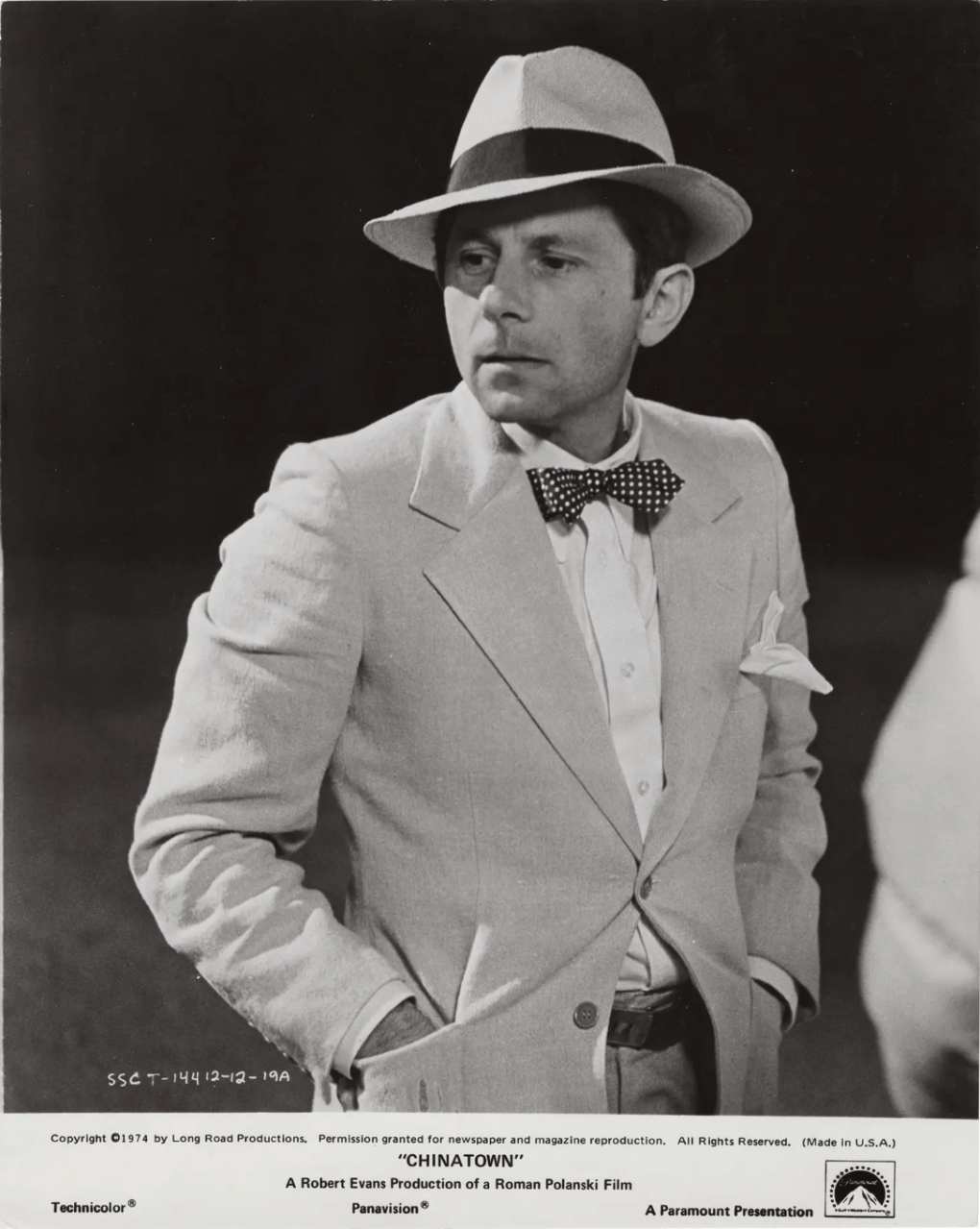
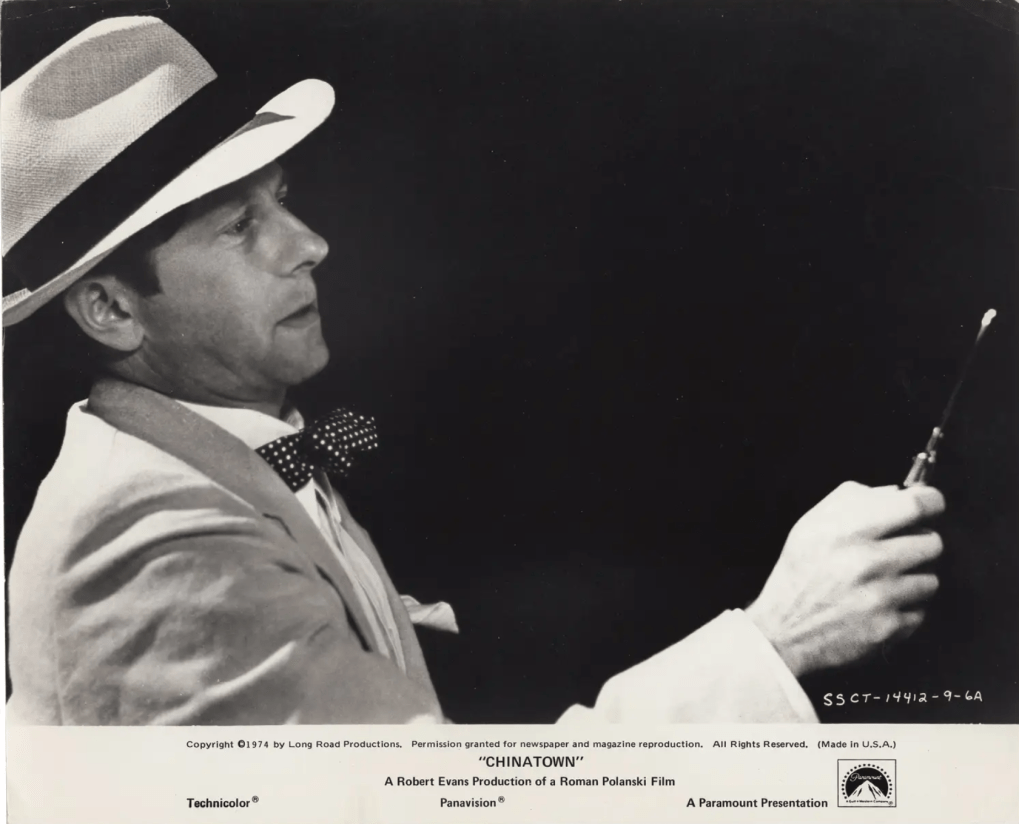
Los Angeles: Paramount Pictures, 1974. Vintage borderless studio still photographs, with bottom margin, of Roman Polanski from the 1974 film. Mimeo snipe on verso.


Los Angeles: Paramount Pictures, 1974. Vintage borderless studio still photographs, with bottom margin, of Roman Polanski from the 1974 film. Mimeo snipe on verso.


N.p. N.p., Circa 1963, vintage reference photograph from the set of the 1963 film, with a blind stamp in the upper corner of each.
Based on the 1948 novella by Robin Maugham.
The first of Joseph Losey’s three legendary collaborations with screenwriter-playwright Harold Pinter, a dark, squeamish parable that tells a servant-becomes-master tale, but goes beyond what could have been a mediocre finish and journeys into the psyche and personal problems of the servant himself. Stunningly photographed by Douglas Slocombe. A classic of 1960s British cinema.
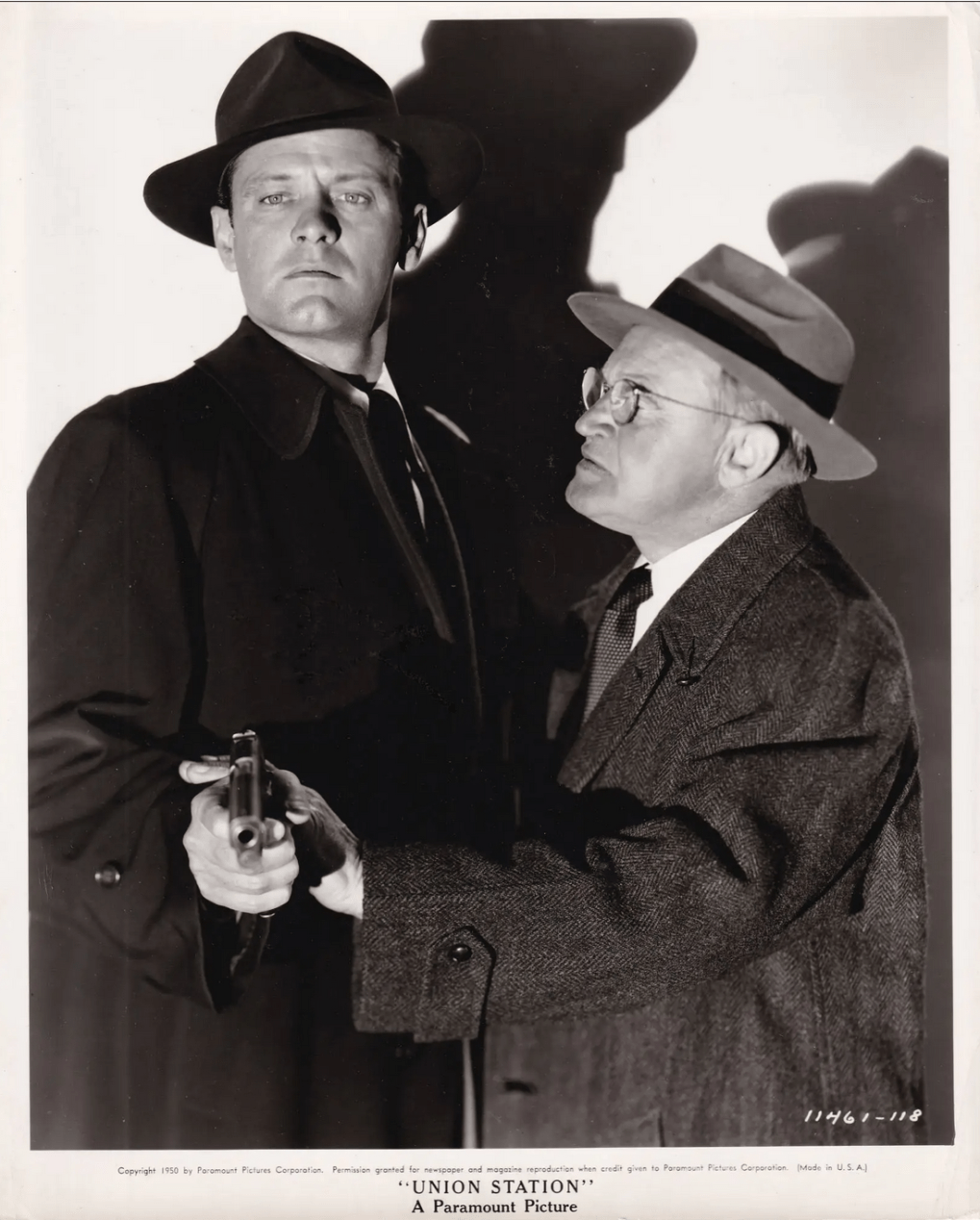
Set in and shot on location in London.
8 x 10.25 inches.

Lizabeth Scott in Too Late For Tears, 1949
written by Roy Huggins, directed by Bryon Haskin


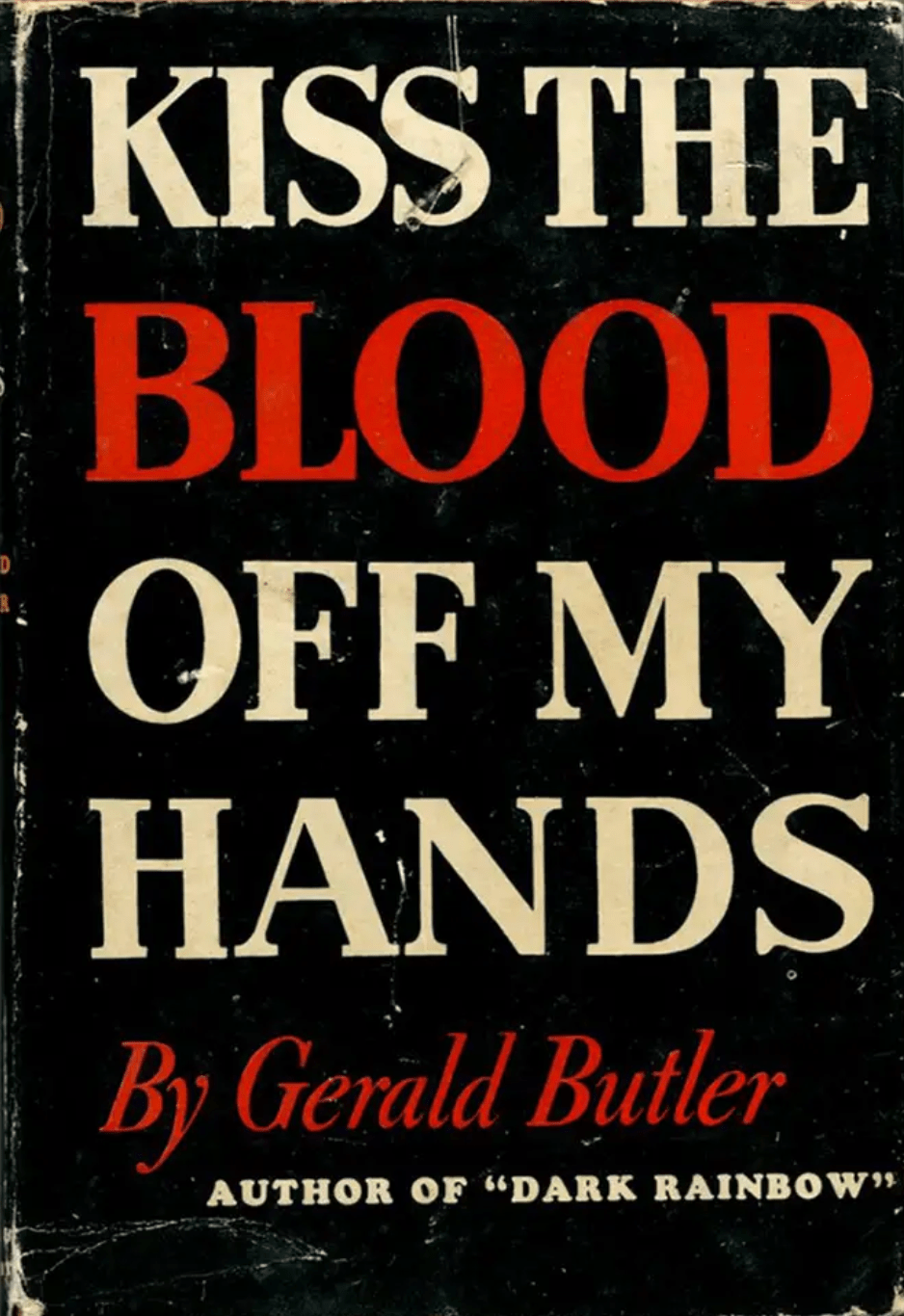
July 1947 Morrow hardcover
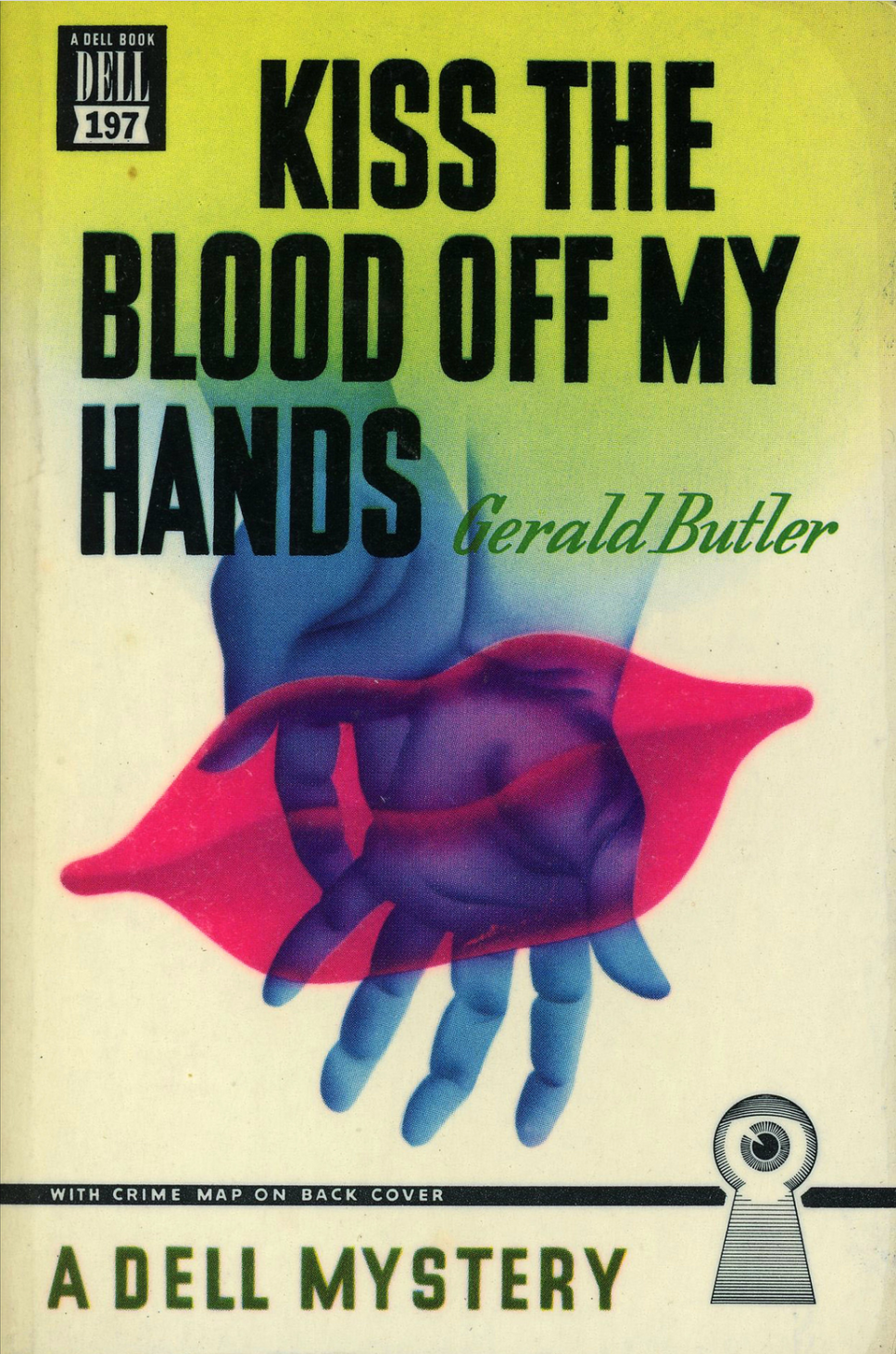
June 1949 Pocket reprint, 2nd printing
cover art by Bernard Safran
better image than previously posted

Danny Morton, Richard Martin, Pamela Blake, Dennis Moore (starring)
Lewis D. Collins, Vernon Keays (directors)
Paul Huston, Joseph F. Poland (screenwriters)
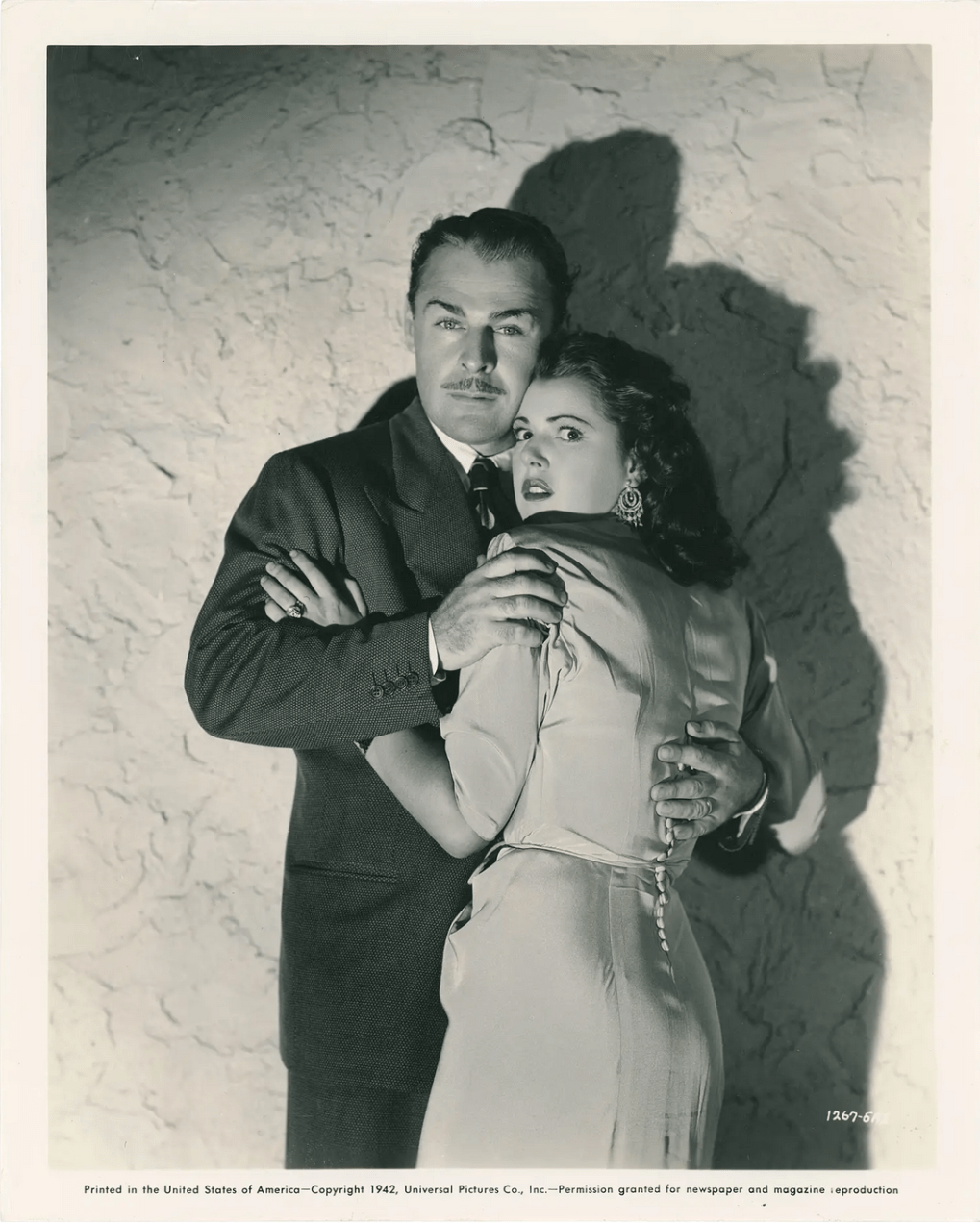
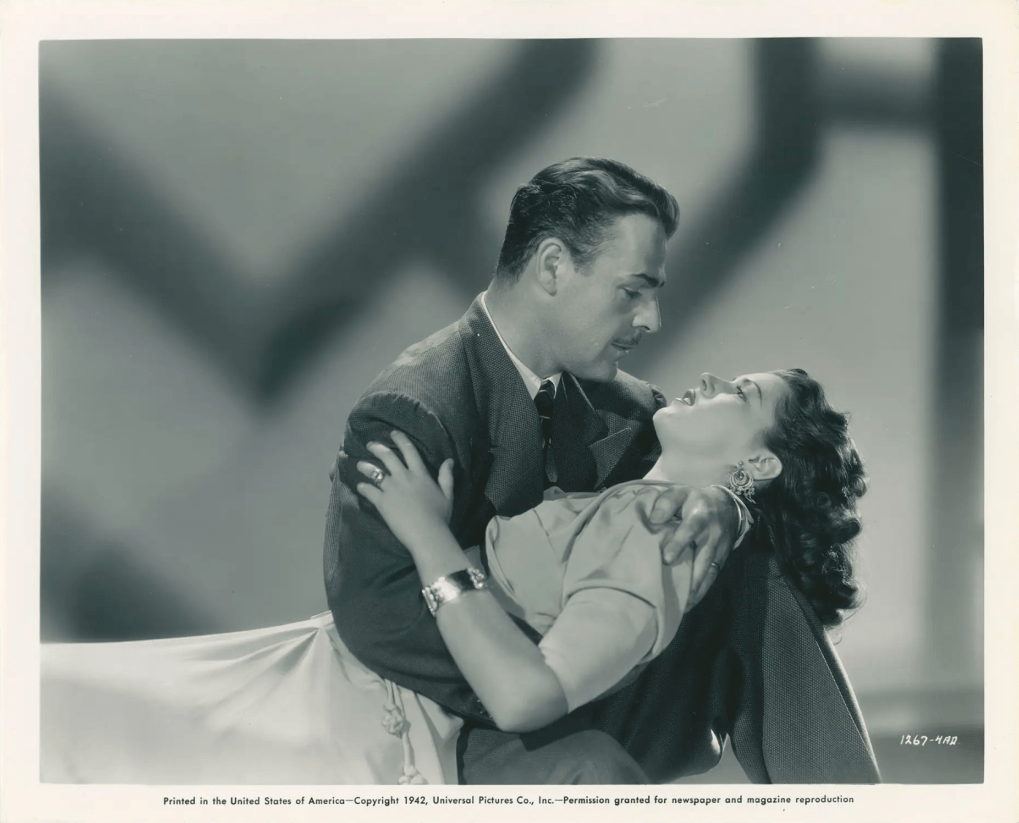
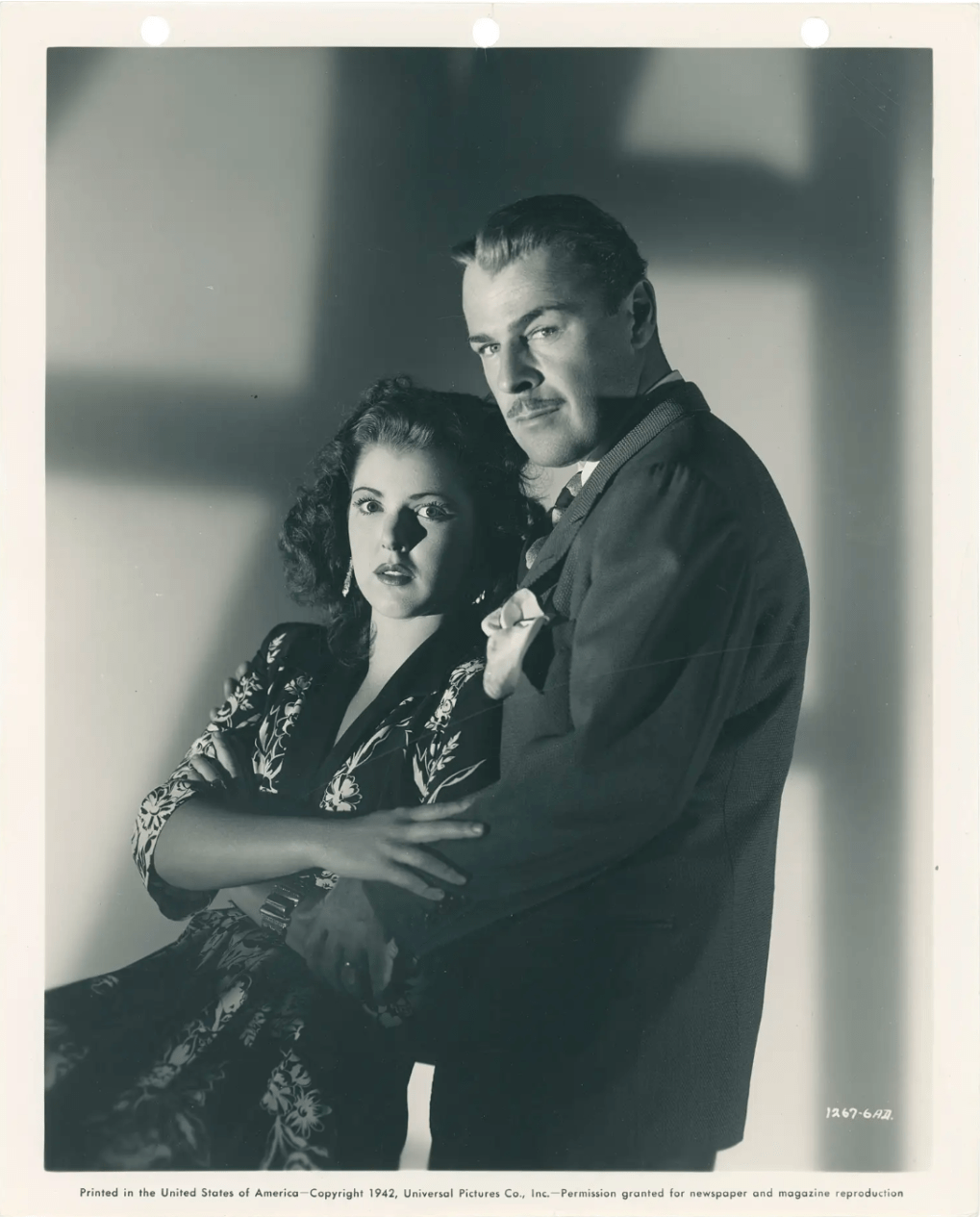
Universal City: Universal Studios, 1946. Vintage publicity keybook photograph from the 1946 film serial, showing actor Danny Morton. Printed mimeo snipe affixed to the verso.
A villain plans to steal a super-powered submarine and blame the crime on a fictitious “Mr. M,” but his plans are waylaid by a federal agent and a police detective. Universal’s final film serial.
From the archive of noted Hollywood still photographer Ray Jones. Born in Wisconsin on January 1, 1901, Jones worked for Paramount Pictures in the early 1930s, and went on to be the head of the still photography department at Universal Pictures in 1935, where he worked well into the 1950s.
8 x 10 inches.

As nice as it gets: First American Edition of THE POSTMAN ALWAYS RINGS TWICE (1934), by James M. Cain. In the iconic (and unrestored) dustjacket designed by Arthur Hawkins.
A stunning copy of Cain’s first novel, a hard-boiled tale of love, murder, and betrayal that anticipated the trend of existentialism in fiction. While writing the novel, Cain was in dire straits financially, living with a friend and struggling to get the manuscript sold. Knopf refused to give him an advance for the novel, namely because his previous book, ‘Our Government,’ only made the publisher $250, selling something close to a few hundred copies. Cain had originally titled his novel Bar-B-Que – a title Alfred Knopf disliked nearly as much as the novel’s “rough, impromptu style.” After some persuasion, and chiefly because of his personal regard for Cain, Knopf decided to published the novel after Cain came up with a different title. In a letter to his second wife, Cain wrote “If I sell a couple of thousand copies, get my name in the papers, and pick up a little money, we’ll be all to the good and I’ll try to think up another one.”
The outcome, of course, was a furor the likes of which had yet to be seen in American publishing. Postman was an instant success, “probably the first of the big commercial books in American publishing,” becoming a best-seller in hardcover, paperback (1935), gaining syndication rights and developed into a highly successful play. Basis for the classic 1946 film noir starring John Garfield and Lana Turner, and a 1981 remake starring Jack Nicholson and Jessica Lange.

Crane Wilbur (director, screenwriter)
June Havoc, John Russell, Dorothy Hart, Connie Gilchrist, Cathy Lewis (starring)
Universal City: Universal Pictures, 1949. Vintage studio still photograph from the 1949 film noir, showing actor John Russell.
A woman exacts revenge on the gangster who killed her husband, landing herself in a women’s prison. Afterwards, she vows to change her ways, but finds herself gradually drawn back into her life of crime.
Set in San Francisco.
8 x 10 inches. Very Good plus, with one small bruise near the left edge of the recto and some emulsion defects.