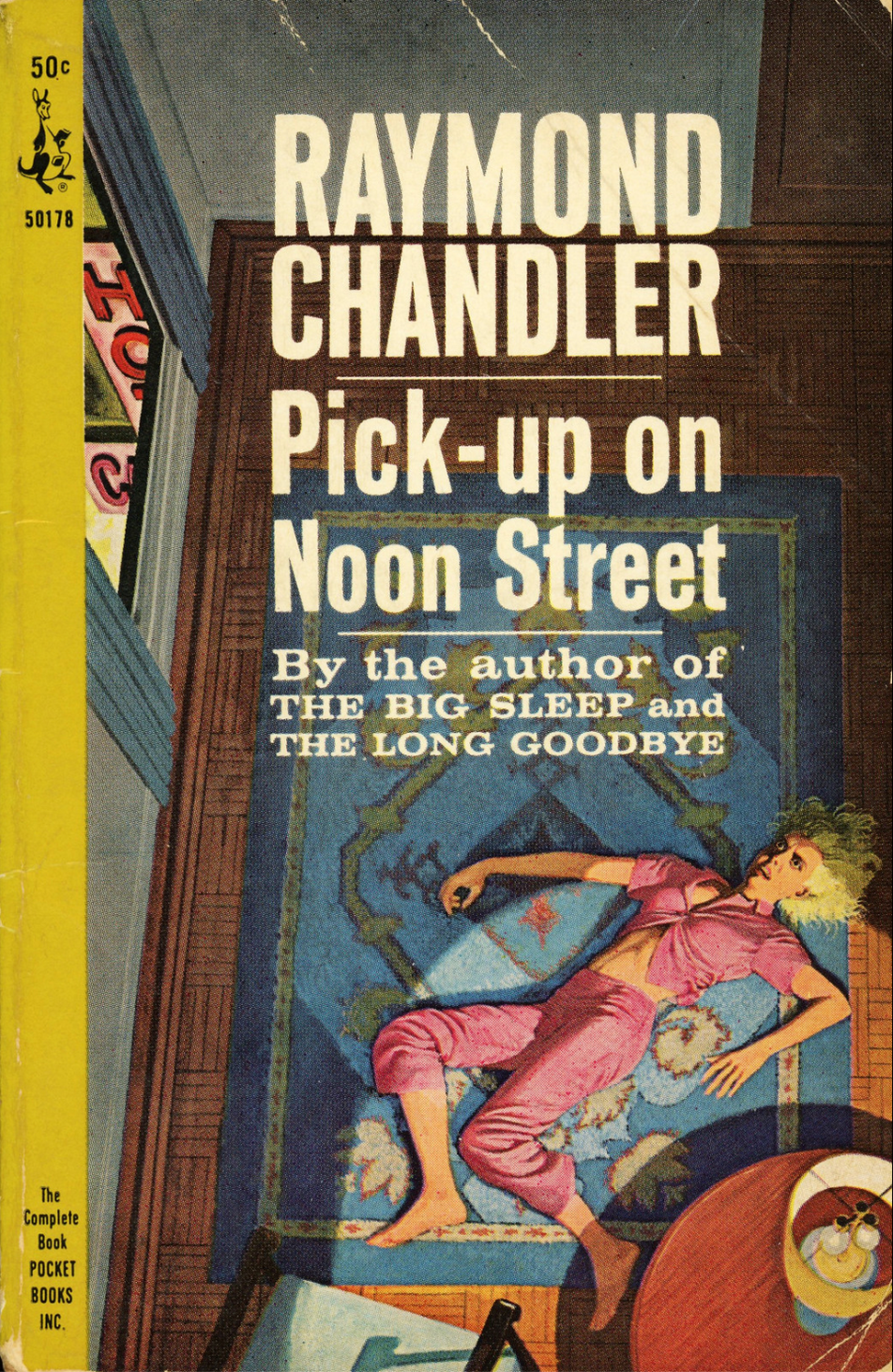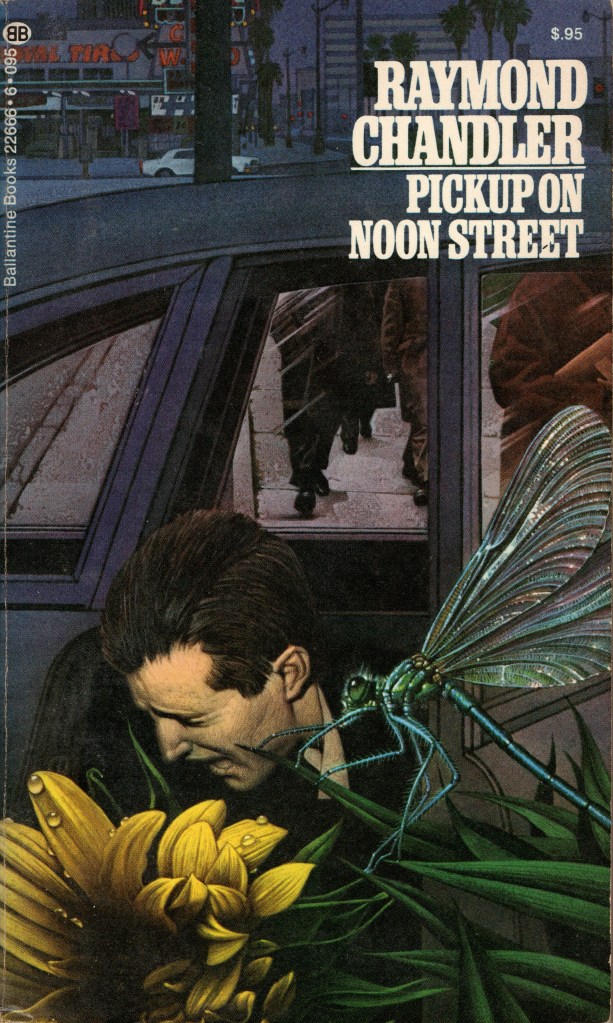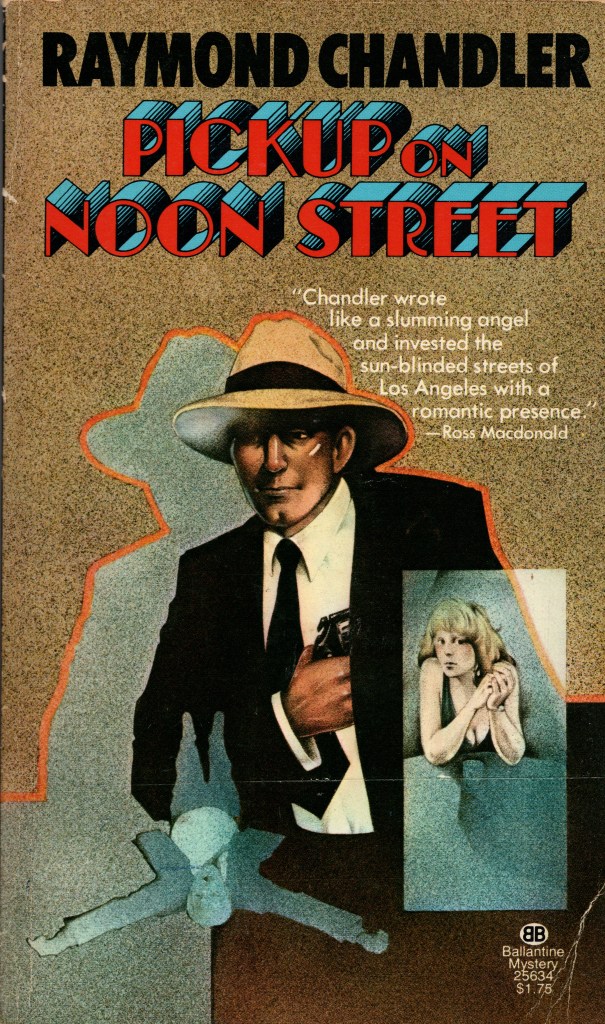
Pickup on Noon Street x 7

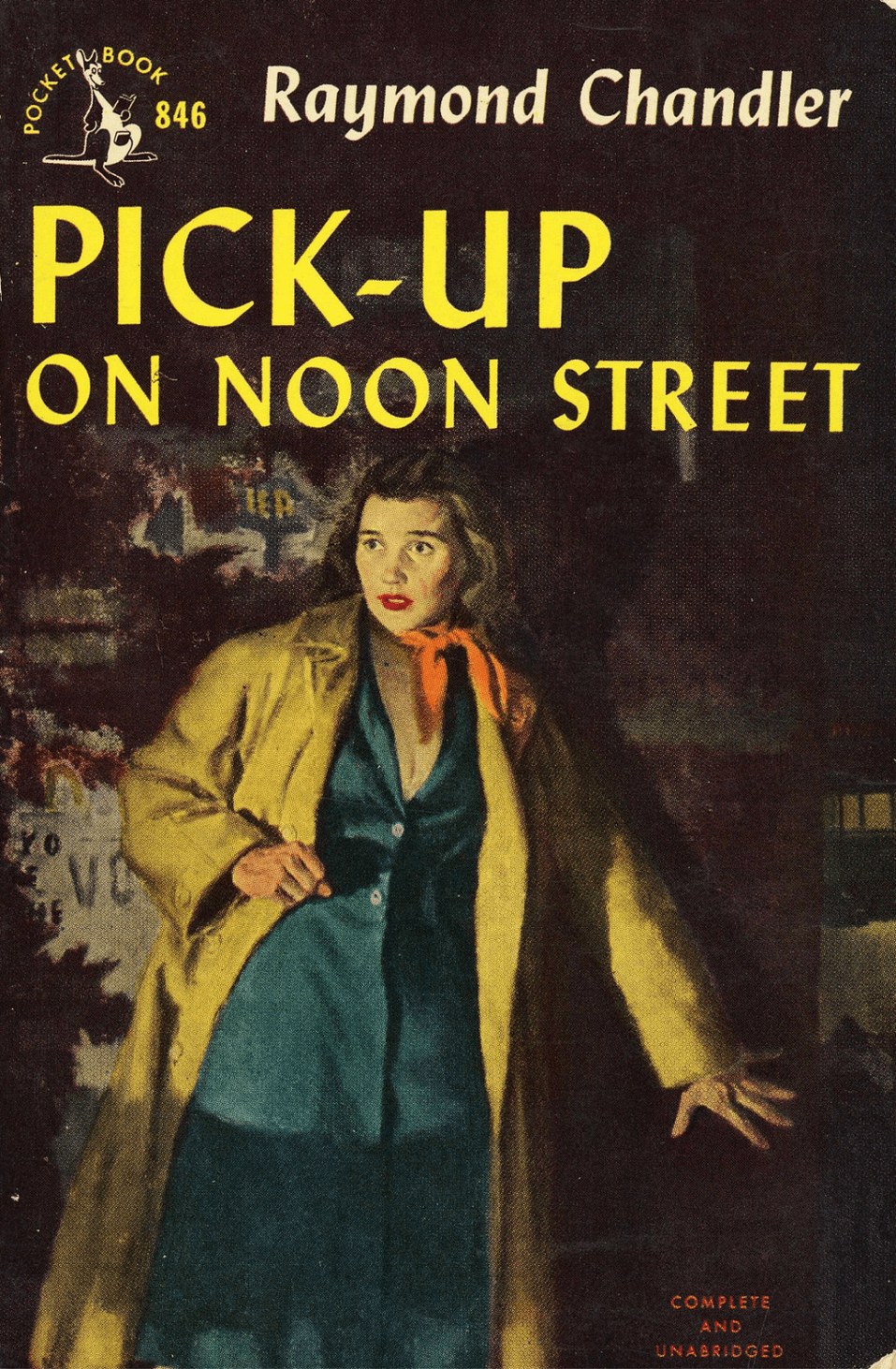
1952 Pocket reissue

cover art by Tom Dunn

better image than previously posted

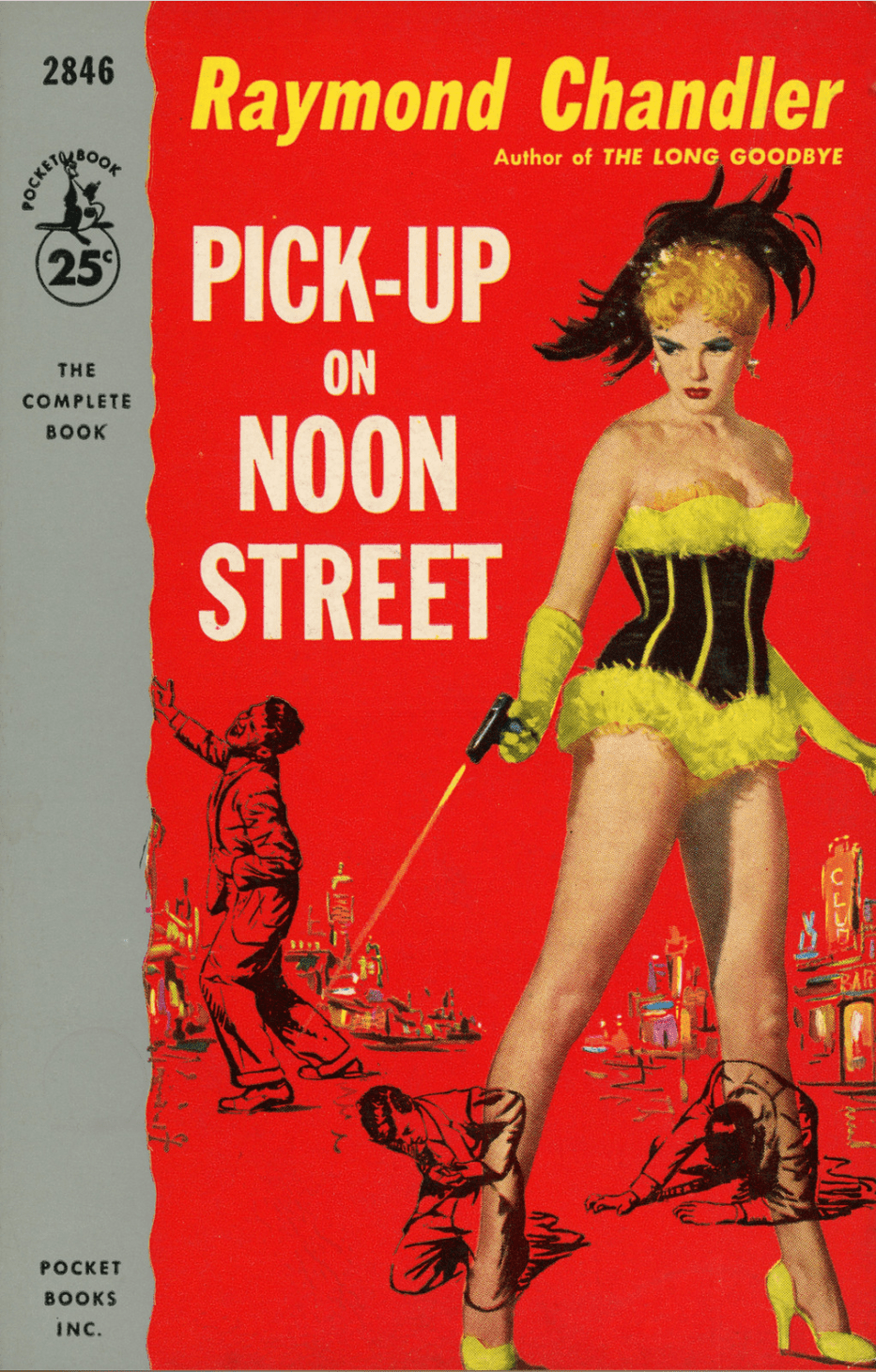
1956 Pocket reissue

cover art by Robert Maguire

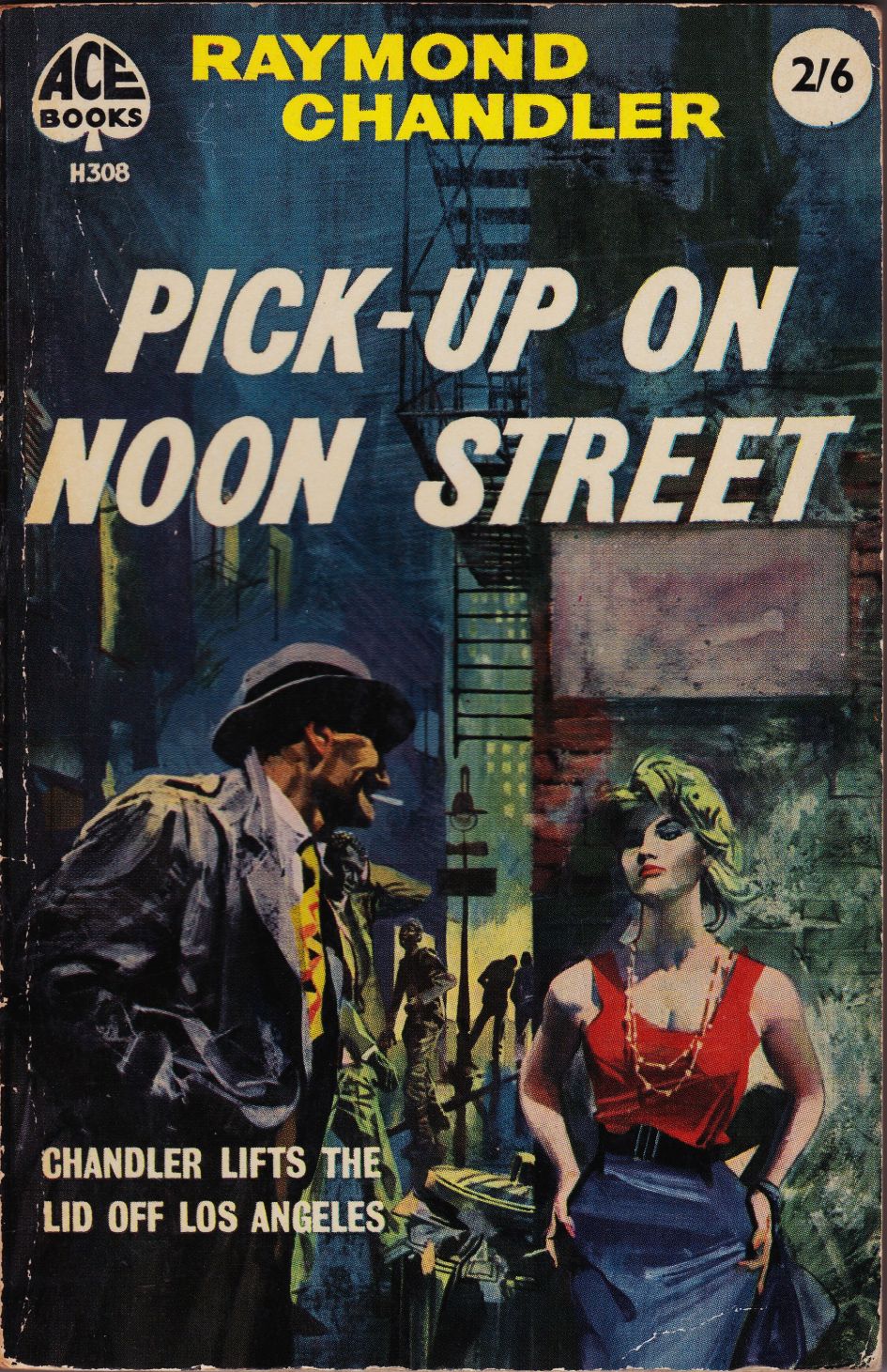
1960 Ace edition from the UK

1965 Pocket reissue (7th printing, October of ’65)

better image than previously posted

June 1973 Ballantine reissue*

cover art by Tom Adams

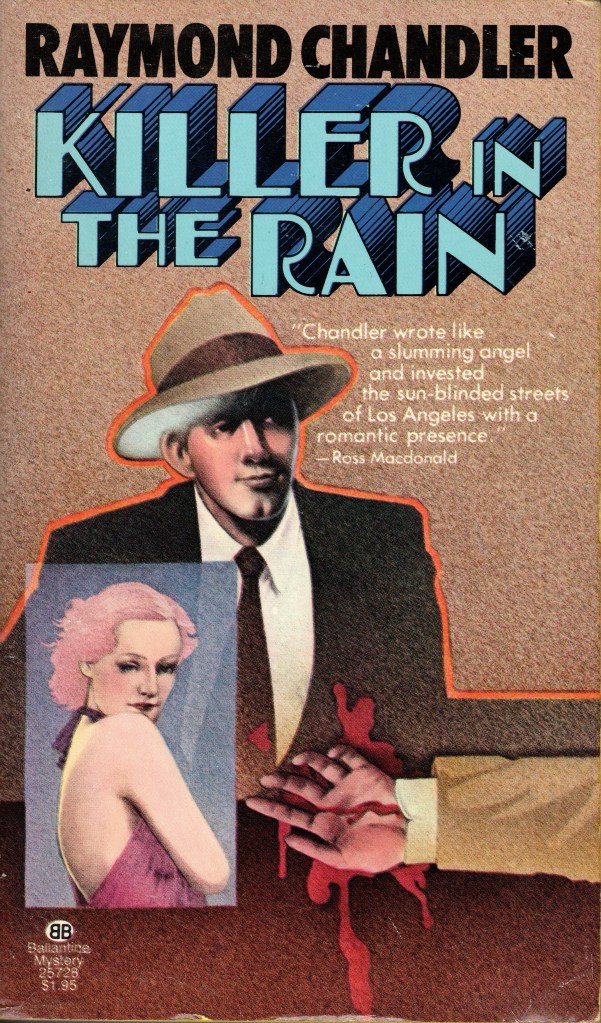
1977 Ballantine mass market, 3rd print*

cover art by Whistlin’ Dixie

1980 Ballantine reissue

cover art credited to Richard Waldrep

“Pickup On Noon Street” (Detective Fiction Weekly, May 1936, originally titled “Noon Street Nemesis”)

“Smart-Aleck Kill” (Black Mask Magazine, July 1934)

“Guns at Cyrano’s” (Black Mask Magazine, Jan. 1936)

“Nevada Gas” (Black Mask Magazine, June 1936)

these stories were first gathered into a book in 1950, Houghton Mifflin’s The Simple Art of Murder

August 25, 2013

[*covers from owner’s own copies]

[updated 6/6/25]

The Case of the Half-Waken Wife x 2

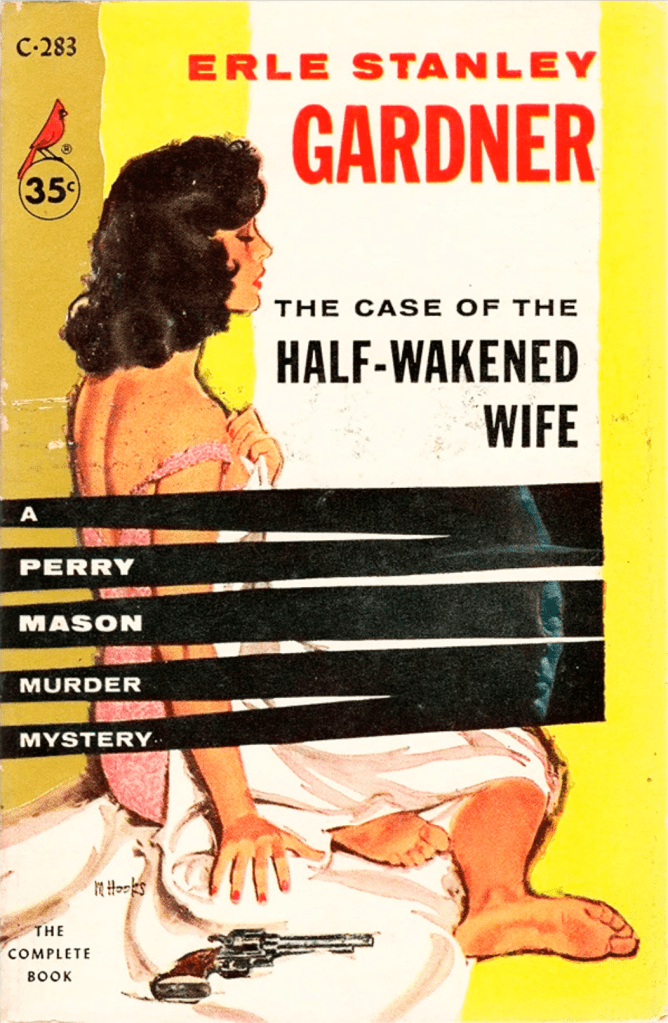
December 1957 Cardinal paperback reissue, first printing

cover painting by Mitchell Hooks

better image than previously posted

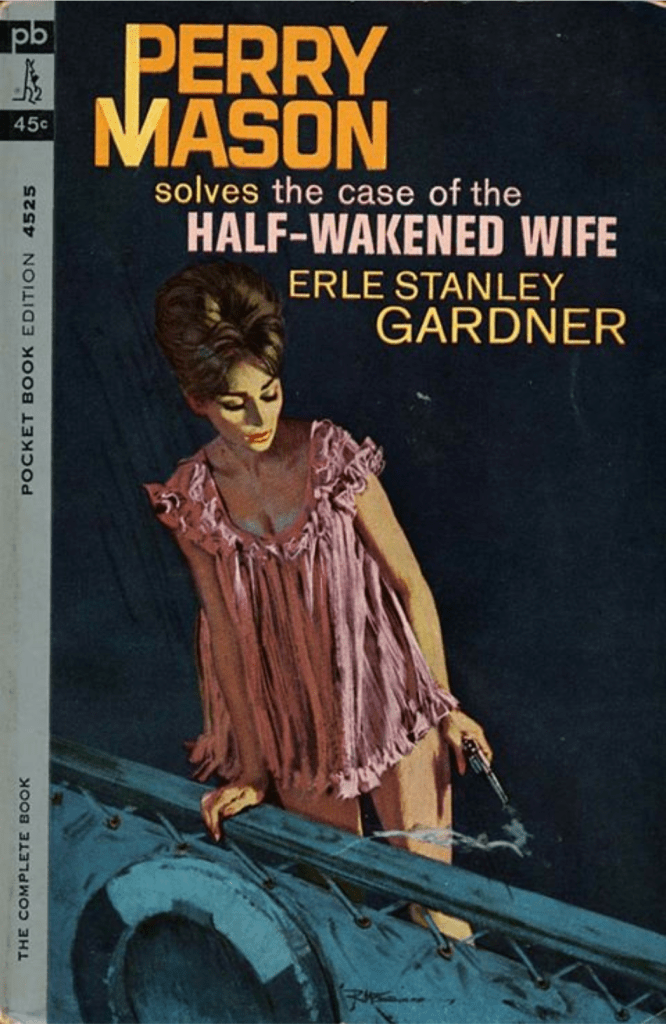
1962 Pocket reissue

cover art by Robert McGinnis

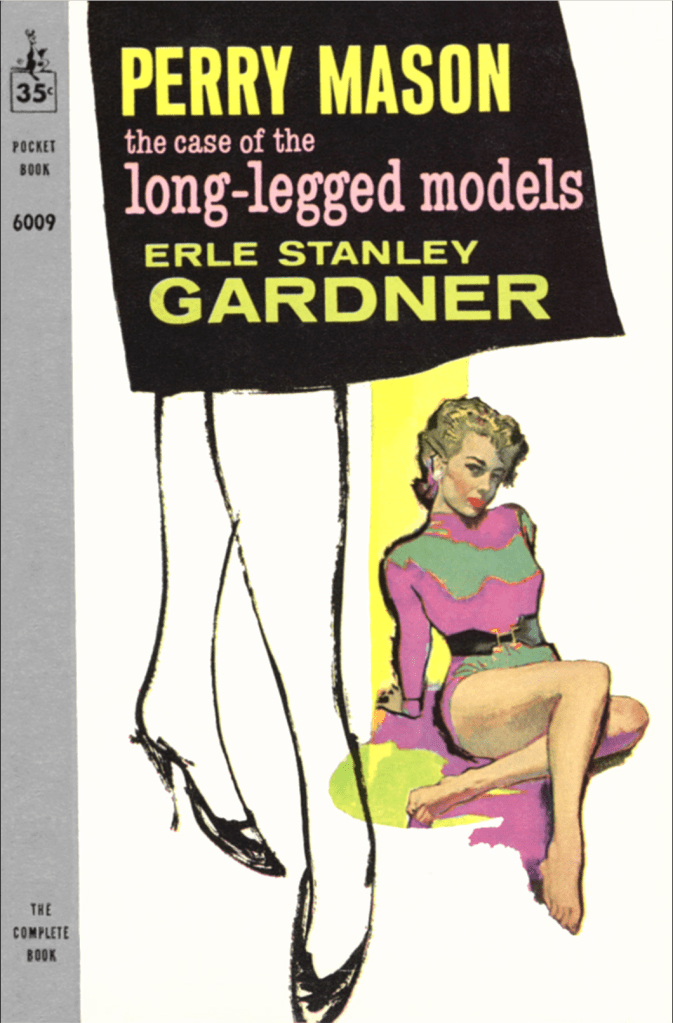
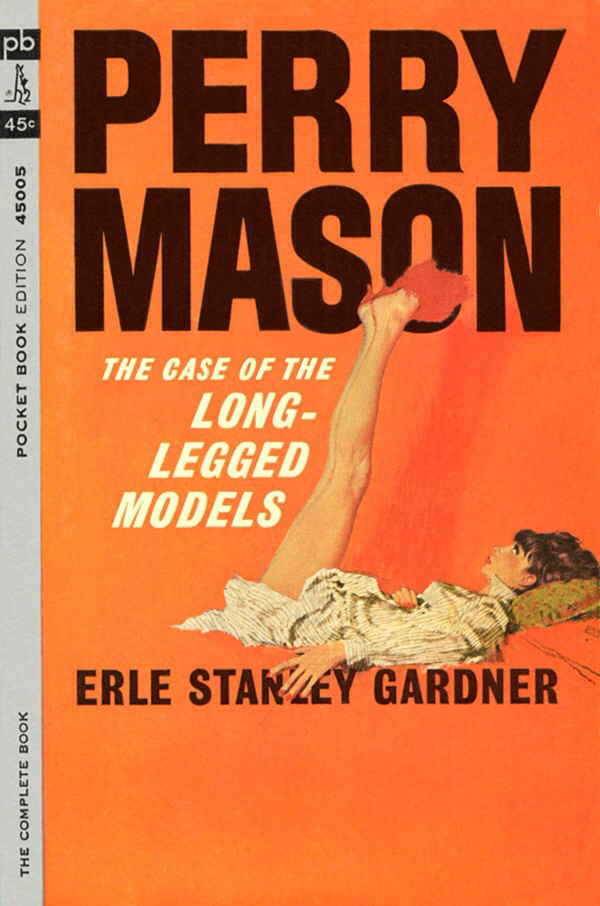
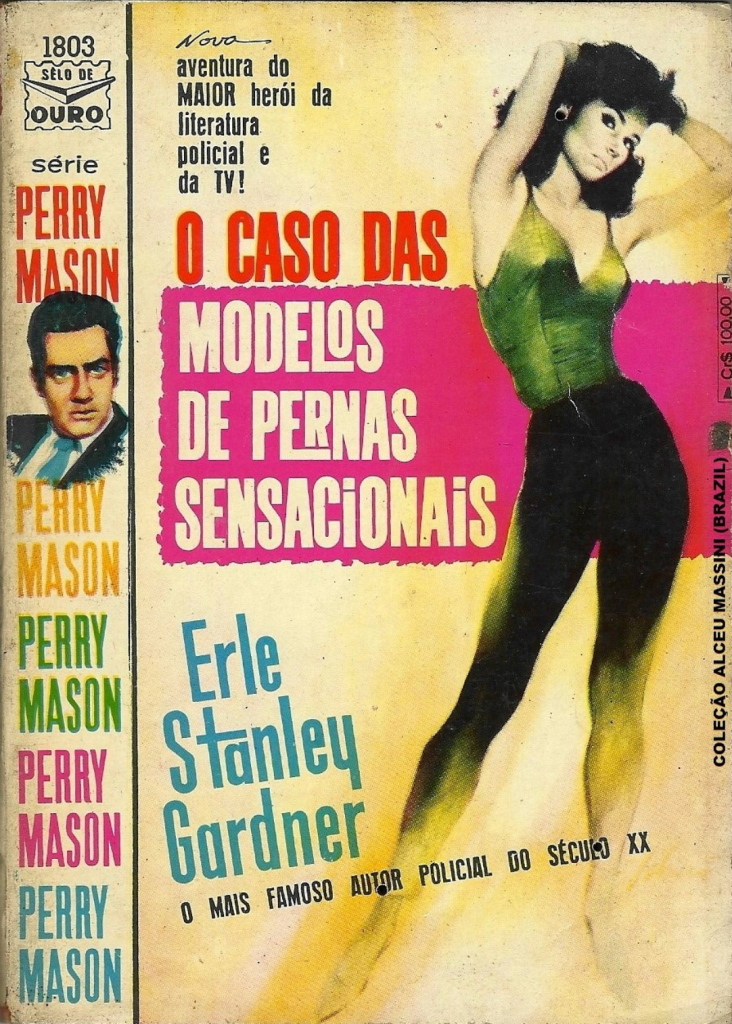
The Case of the Long-Legged Model x 4

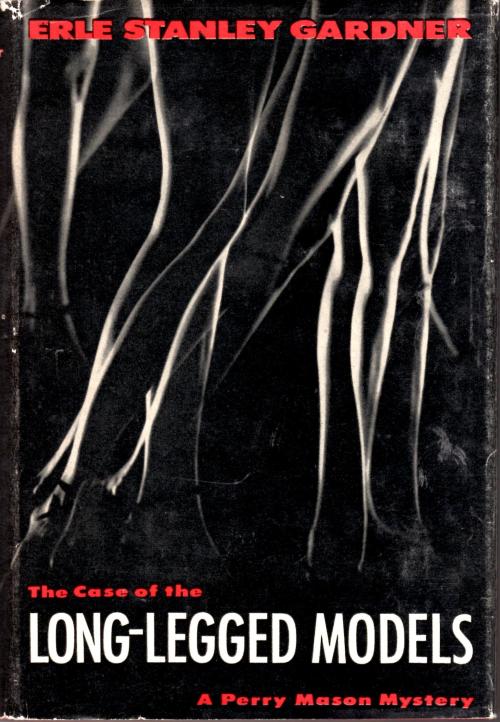
1958 Morrow hardcover, first edition of the 55th Perry Mason novel

June 1960 Pocket paperback reissue, first printing

cover art by Charles Binger?

better image than previously posted

June 1964 Pocket reissue,  6th printing

cover art by Robert McGinnis

better image than previously posted

1962 Brazilian edition

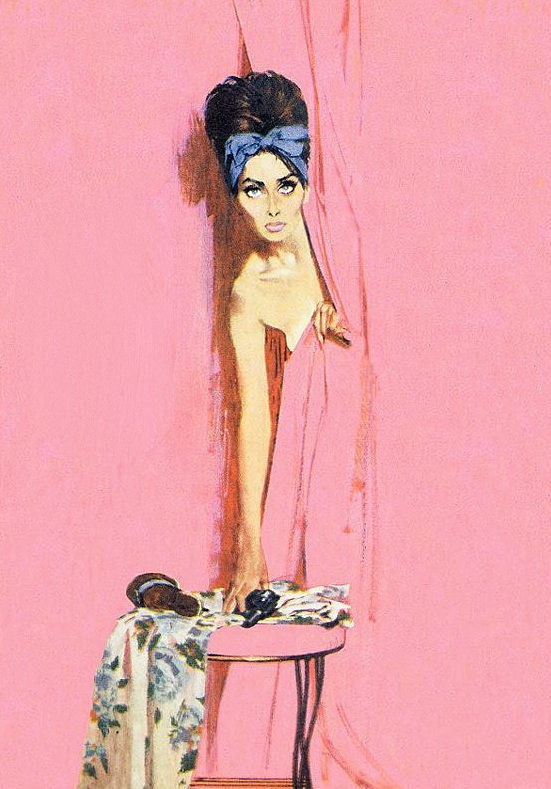
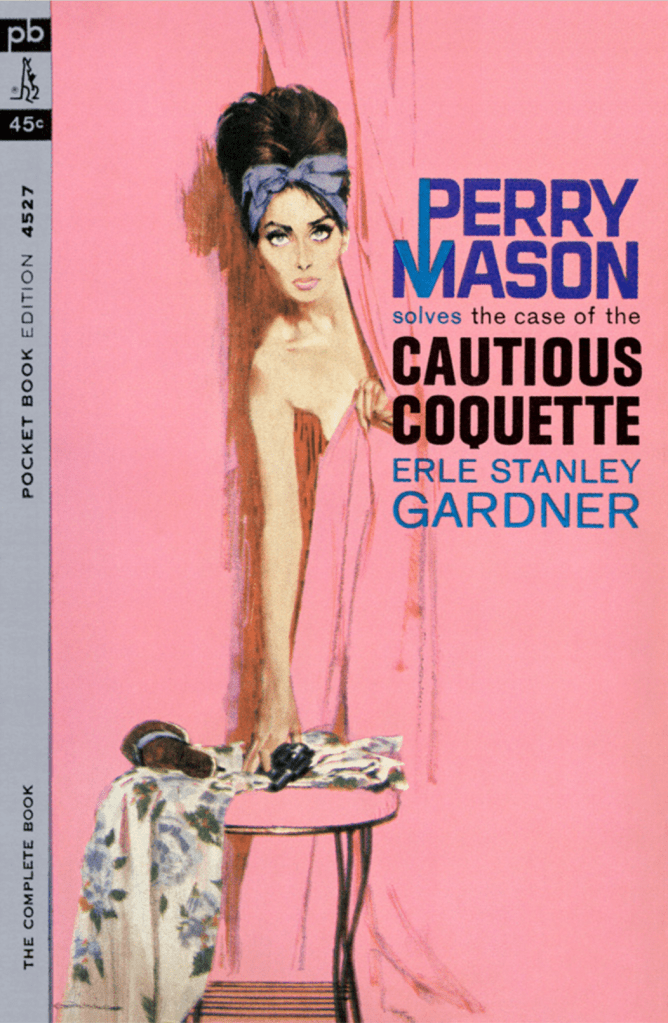
The Case of the Cautious Coquette x 2

February 1959 Cardinal paperback reissue, first printing

cover painting by John Fernie

better image than previously posted

November 1963 Pocket paperback reissue, 8th printing

cover painting by Robert McGinnis

better image than previously posted

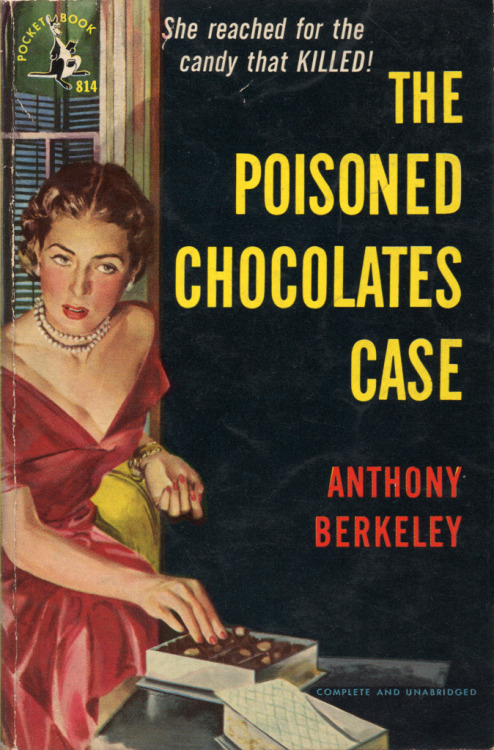
1951 Pocket reissue

one of SMB founder Bill Farley’s Top Five Mysteries of all time. Sir Eustace is a cad of the first water, with a specialty in other men’s wives, and the list of people who might want to do him in could fill a London phone book. But which of them actually sent the chocolates with their nasty hidden payload? Scotland Yard is baffled. Enter the Crime Circle, a group of society intellectuals with a shared conviction in their ability to succeed where the police have failed. Eventually, each member will produce a tightly reasoned solution to the Case of the Poisoned Chocolates, but each of those solutions will identify a different murderer. First published in 1929, this is both a classic of the golden age of mystery fiction, and one of the great puzzle-mysteries of all time.